
How Routine Pest Control Helps Prevent Major Infestations
Routine pest control services help prevent major infestations by regularly targeting pests early, with local contractors providing effective treatments to keep homes pest-free.
Understanding how routine pest control helps prevent major infestations is essential for property owners looking to protect their homes and businesses. Regular pest control services provided by local contractors can identify early signs of pest activity, allowing for timely intervention before issues escalate. By maintaining a consistent schedule, property owners can reduce the likelihood of pests establishing themselves deeply within structures, saving time and money in the long run. Whether dealing with common household pests or more persistent invaders, routine treatments serve as a proactive approach to keeping infestations in check.
For residents and property managers in the area, exploring this topic offers practical insights into how ongoing pest management can safeguard their investments. Local service providers are equipped to tailor routines that address specific pest threats common to the region, helping to prevent infestations from becoming major problems. Continued prevention through routine pest control not only enhances the comfort and safety of a property but also supports long-term peace of mind. Keep reading to learn more about how consistent pest control services can make a significant difference in maintaining a pest-free environment.
- Routine pest control - homeowners noticing early signs of pests can rely on local contractors to implement preventative treatments that reduce the risk of larger infestations.
- Regular pest management - properties in areas prone to pests may need ongoing services to keep pests from establishing colonies, with local pros tailoring treatments to specific threats.
- Preventative pest control - during seasonal changes, local service providers can apply targeted solutions to help prevent pests from entering and multiplying inside homes.
- Scheduled pest inspections - proactive inspections by local contractors can identify potential pest entry points and address them before an infestation develops.
- Maintenance pest control - routine treatments help maintain pest-free conditions, making it less likely for minor issues to escalate into major infestations.

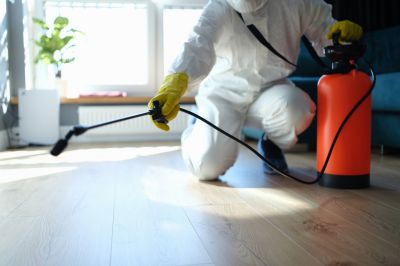
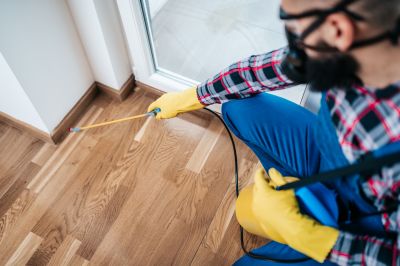
When people search for how routine pest control helps prevent major infestations, they are often looking to understand how regular maintenance can keep pests from becoming overwhelming problems. Many homeowners recognize that pests like ants, cockroaches, or rodents can quickly multiply if not managed early. Routine pest control involves scheduled treatments and inspections that target pests before they reach problematic levels. This proactive approach aims to identify signs of pests early, allowing local service providers to address issues before they develop into full-blown infestations that are more difficult and costly to eliminate.
The connection between routine pest control and major infestations relates to common pest problems and long-term planning. Pests tend to exploit vulnerabilities in a property-such as cracks, gaps, or clutter-to establish nests. Regular treatments help disrupt these initial stages of infestation by removing pests and applying barriers that prevent new ones from entering. This ongoing process supports a pest-free environment and minimizes the risk of infestations that could damage property, create health hazards, or lead to costly extermination efforts. Many homeowners find that incorporating routine pest control into their property maintenance plans is an effective way to manage pests without resorting to emergency measures.
Properties that typically benefit from routine pest control include residential homes, apartment complexes, and small commercial buildings. Homes with yards or gardens are particularly vulnerable to pests like ants, termites, and rodents, which can travel from outdoor environments into living spaces. Multi-family dwellings often face higher risks due to shared walls and common areas where pests can spread quickly. Even commercial properties such as restaurants, offices, or retail stores can see significant benefits from regular pest management to maintain hygiene standards and comply with health regulations. Local service providers tailor their treatments to suit the specific needs of each property type, helping to prevent infestations before they become serious issues.
Understanding how routine pest control fits into property management emphasizes the importance of working with experienced local contractors. These service providers perform regular inspections, identify early signs of pest activity, and apply targeted treatments that keep pests at bay. By maintaining a consistent pest control schedule, homeowners and property managers can reduce the likelihood of major infestations that disrupt daily life or business operations. Routine pest control becomes a key part of a proactive approach to property care, helping to preserve the integrity of the building and the comfort of its occupants through ongoing prevention efforts.
Termite Inspection and Treatment - local contractors perform inspections and treatments that help prevent termites from establishing major infestations, protecting property structures.
Rodent Control Projects - professionals set up traps and exclusion methods to manage rodent populations, reducing the risk of larger infestations over time.
Spider and Insect Barrier Services - local service providers apply barriers and treatments that keep common household pests in check, preventing escalation to major problems.
Mosquito and Tick Control - specialists use targeted treatments to reduce vector populations, helping to prevent larger pest outbreaks that can spread diseases.
Wildlife Exclusion Projects - contractors seal entry points and remove nuisance animals, decreasing the chances of pests gaining access and causing significant issues.
Preventative Pest Maintenance - ongoing pest management services by local pros help identify early signs of pest activity, preventing full-blown infestations.
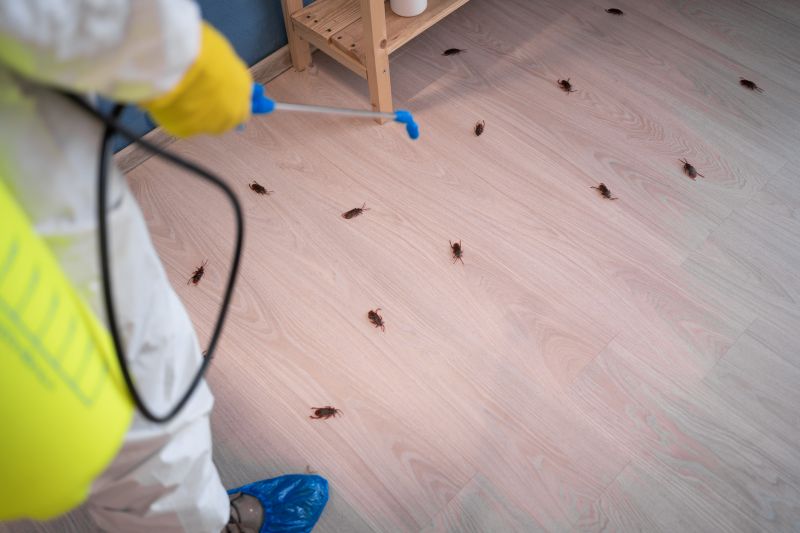
When evaluating service providers for routine pest control, it’s important to consider their experience with similar projects. Homeowners should inquire about how long a local contractor has been providing pest management services and whether they have handled properties similar in size or type to their own. An experienced professional will typically have a better understanding of common pest issues in the area and know effective strategies to prevent infestations before they become major problems. This familiarity can lead to more reliable service and a proactive approach that helps maintain a pest-free home over time.
Clear written expectations are essential when comparing local contractors for routine pest control. Homeowners should seek detailed information about what the service includes, such as the frequency of treatments, areas covered, and any follow-up procedures. Having this information in writing helps ensure that both parties are aligned and reduces the chances of misunderstandings. It also provides a basis for assessing whether a provider’s approach aligns with the homeowner’s goals of preventing major infestations through consistent, routine care.
Reputable references and good communication are key factors in selecting the right service provider. Homeowners are encouraged to ask for references or reviews from previous clients to gauge the reliability and quality of the contractor’s work. Additionally, a provider who communicates clearly and promptly can better address questions or concerns that may arise during the course of routine pest control. Effective communication fosters trust and ensures that homeowners are well-informed about the pest prevention strategies being implemented, ultimately supporting the goal of preventing major infestations through ongoing, professional care.
Property owners often search for how routine pest control helps prevent major infestations when they are planning practical projects around their homes and businesses. Local pros provide Routine Pest Control services for everyday jobs and straightforward project options.
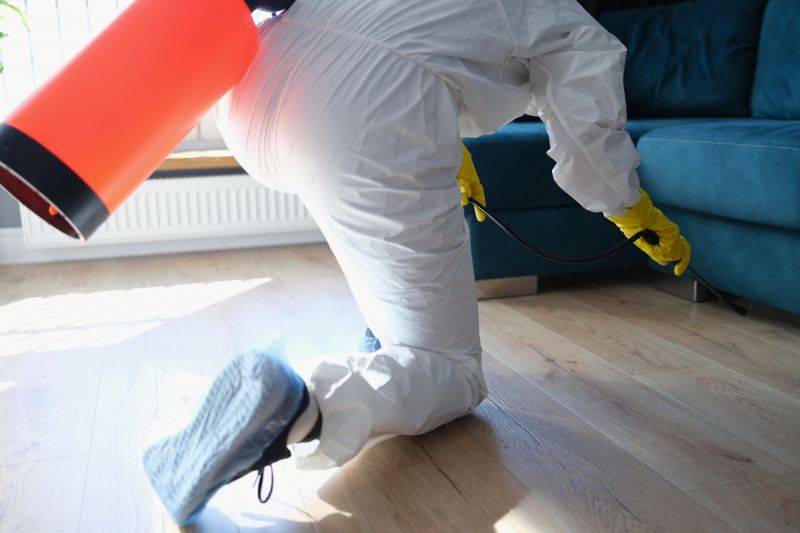
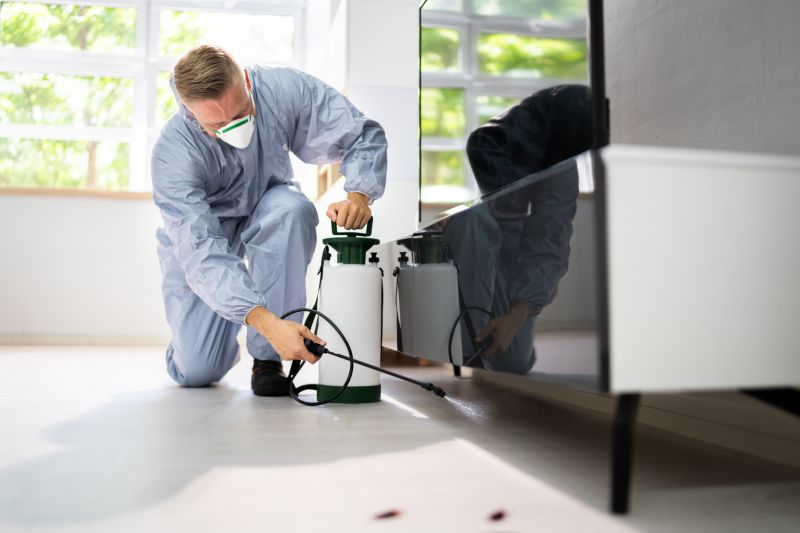
Routine pest control services are an important part of maintaining a pest-free property, especially for homeowners who want to prevent major infestations before they start. Regular treatments help identify and address potential problem areas early, reducing the chances of pests establishing a foothold. Local contractors often offer scheduled visits that target common pests like ants, spiders, and rodents, which can quickly multiply if left unchecked. By staying proactive with routine pest control, property owners can avoid the disruption and damage that come with larger infestations, saving time and resources in the long run.
Many property owners in the area look into routine pest control because they understand that prevention is more effective than dealing with an infestation after it occurs. Regular services from local providers help maintain a barrier around the property, discouraging pests from entering and nesting. This consistent approach not only keeps pests at bay but also provides peace of mind, knowing that a team of experienced service providers is helping to safeguard the home or business. In this way, routine pest control becomes a key part of ongoing property maintenance, helping to prevent the need for more invasive and costly pest removal efforts later on.
How does routine pest control help prevent major infestations? Regular pest control services target and eliminate pests early, reducing the risk of a full-blown infestation before it becomes difficult to manage.
Why is consistent pest control important for infestation prevention? Consistent treatments disrupt pest activity and breeding cycles, making it less likely for pests to establish a large, problematic population.
What pests can routine pest control services help control? Routine pest control can help manage a variety of pests, including ants, cockroaches, rodents, and termites, which are common contributors to major infestations.
How do local service providers identify pest risks through routine treatments? Local contractors assess property conditions and pest activity during regular visits to identify potential vulnerabilities and address them proactively.
Can routine pest control reduce the chances of pests causing property damage? Yes, by preventing large infestations, routine pest control helps minimize the risk of pests damaging structures, furniture, and other property components.
Regular inspections - routine pest control services include scheduled inspections that can identify early signs of pest activity before it becomes a major problem.
Preventative treatments - applying preventative pest control measures helps keep pests from establishing themselves in the property, reducing the risk of infestations.
Targeted barrier methods - local contractors can set up physical and chemical barriers around the property to deter pests from entering.
Ongoing monitoring - continuous pest management ensures that any new pest activity is detected early, helping to prevent larger infestations from developing.
If you are thinking about how routine pest control helps prevent major infestations for a property, this guide is meant to help you understand this topic, the typical project types, and how different options might fit your plans.
When you are ready, you can use the quote form on this page to share a few details about your project. From there, local pros can review the basics and follow up with options that match what you have in mind.